
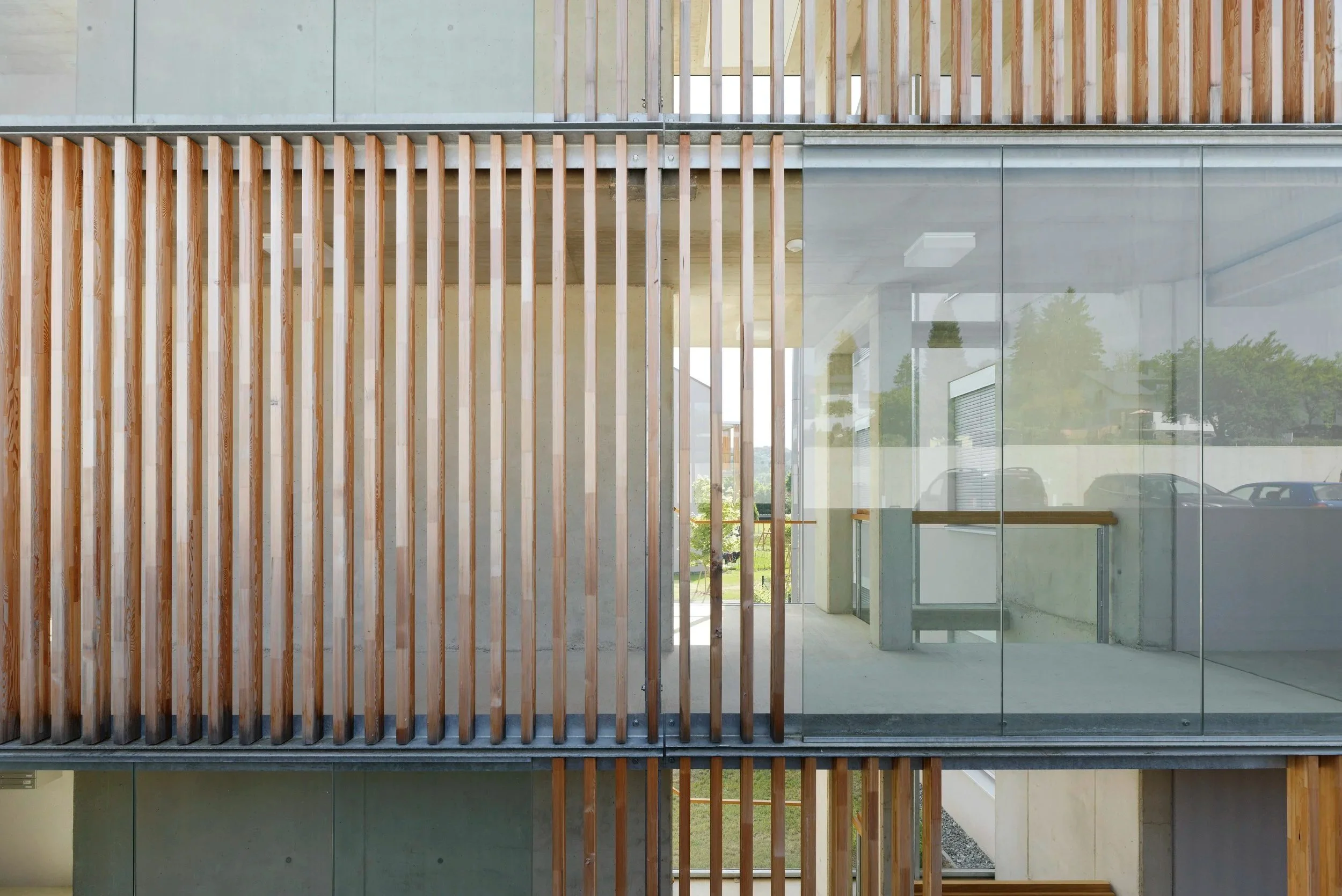
Housing is not a product.
It’s a social system.
Living

Common Ground
How we live together, beyond the building.
The space between buildings is not leftover space.
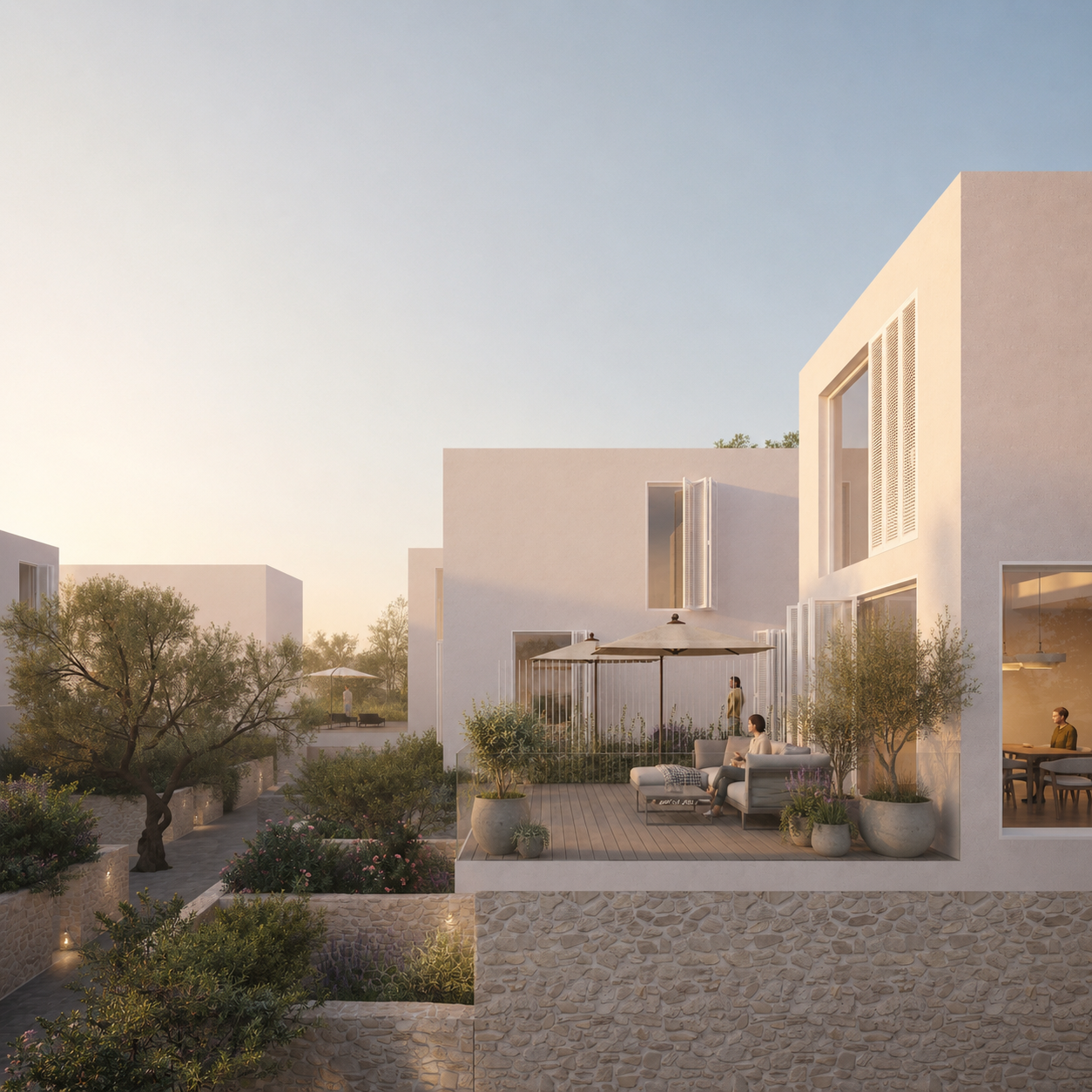
Place
How place shapes what we build.
Climate, topography and local building knowledge are the first materials of a project.
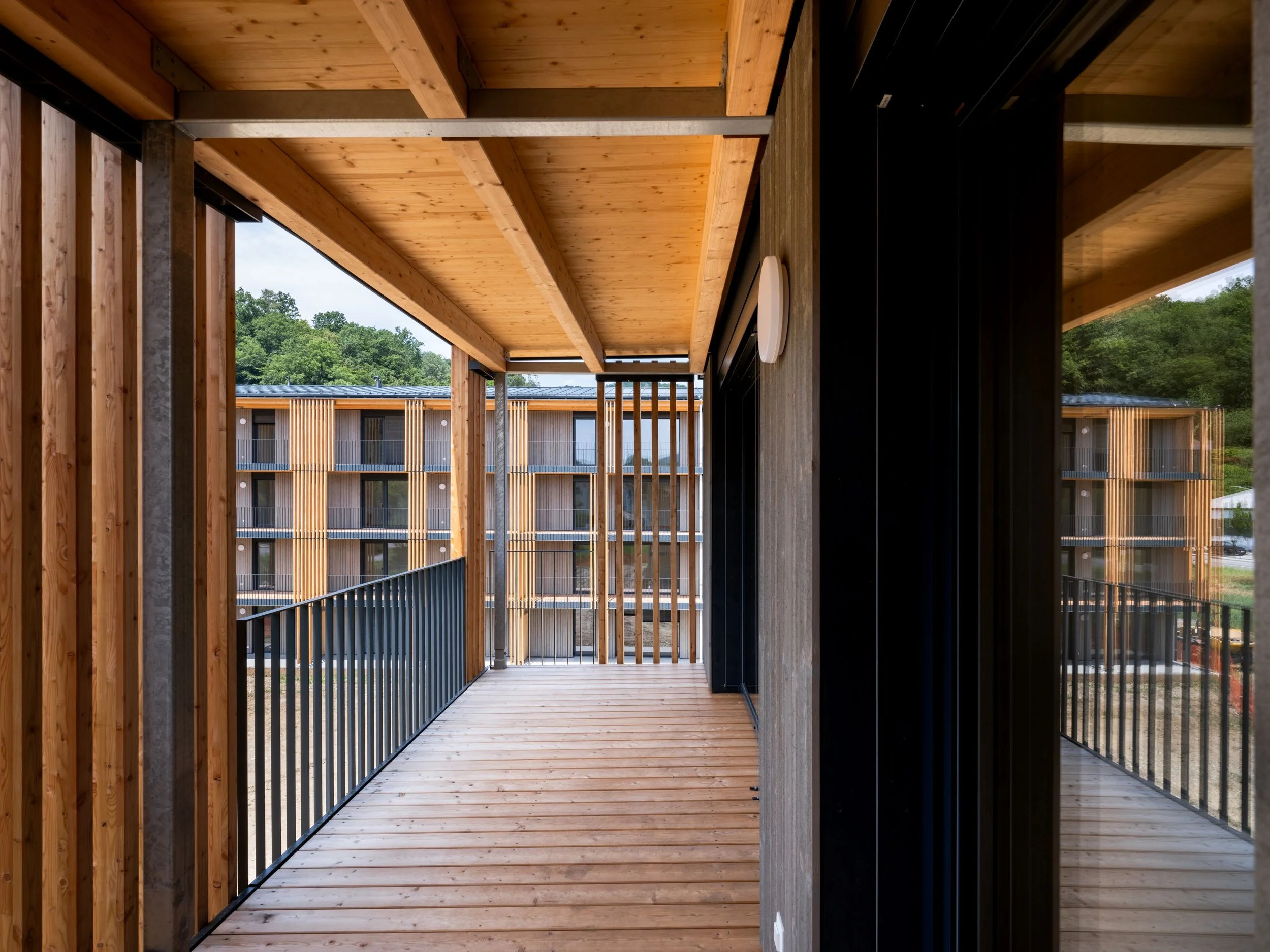
Resources
How we build with less.
Materials, energy and land are part of the design from day one. Structure, shading, material use and adaptability are developed as part of the architecture.
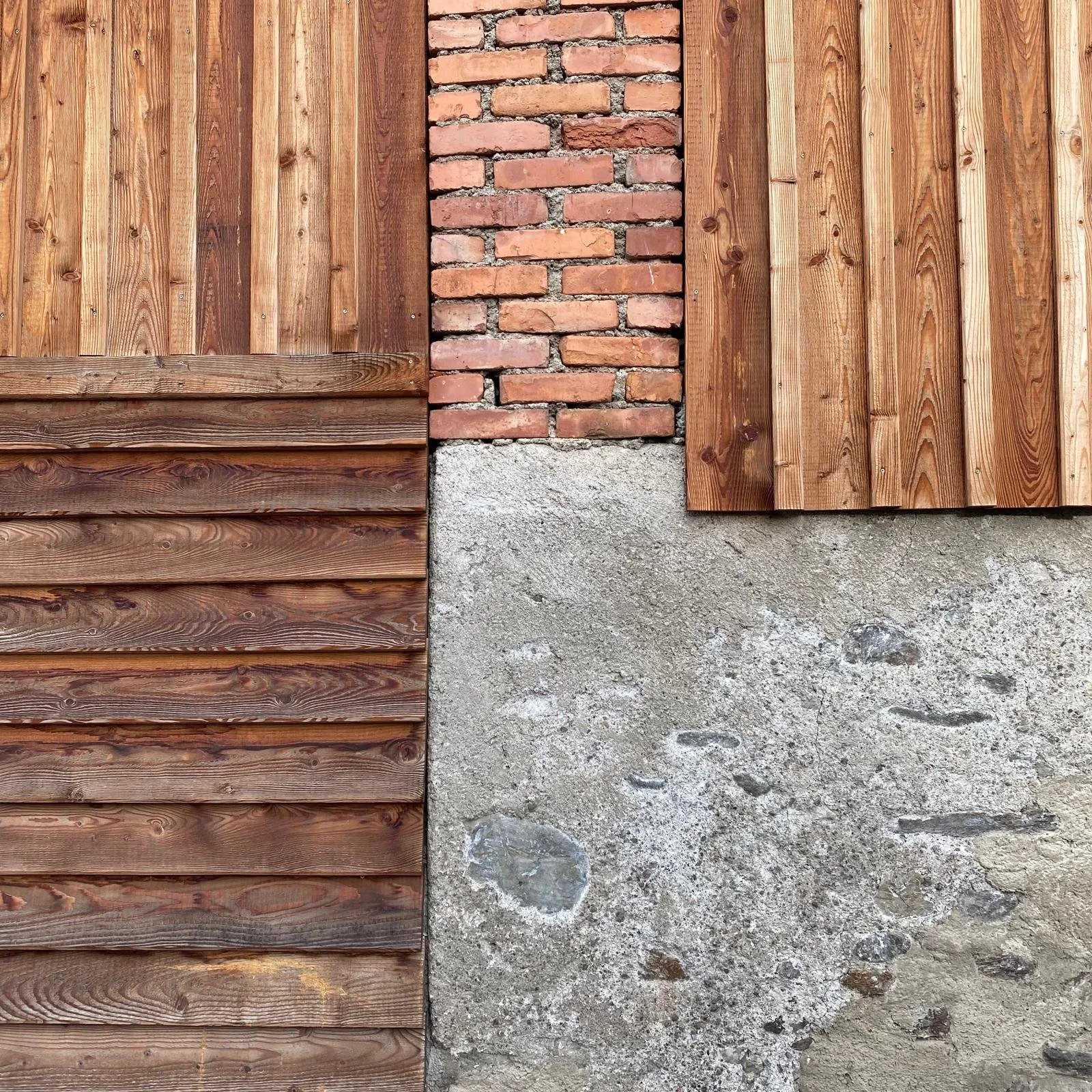
Reuse / Rework
How we work with what is already there.
Existing buildings already contain space, material and history. We keep what works, change what needs to change and add only what is necessary.
The existing becomes the starting point for design, not its limitation.
Not Building
When building less creates more.
Sometimes the best building is the one you don’t build. Reuse, share and adapt first.
Building less is not the absence of architecture. It is a design decision.
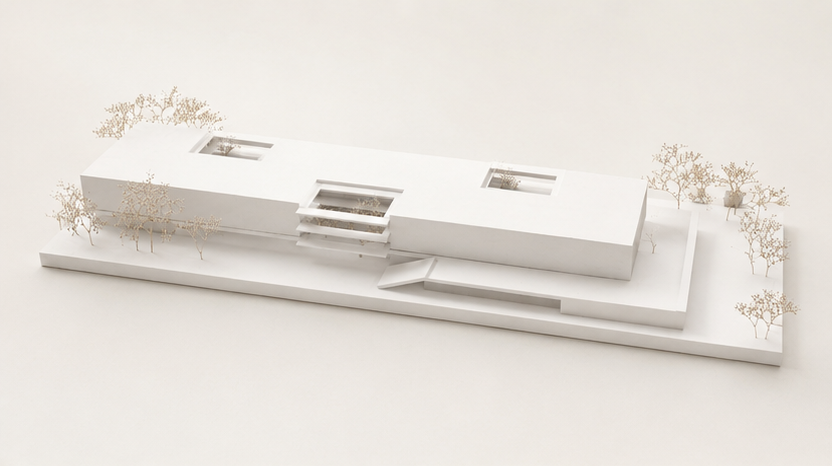
Collective Learning
Schools are more than classrooms. We design the spaces between them as places for meeting, exchange and shared learning.
Awards
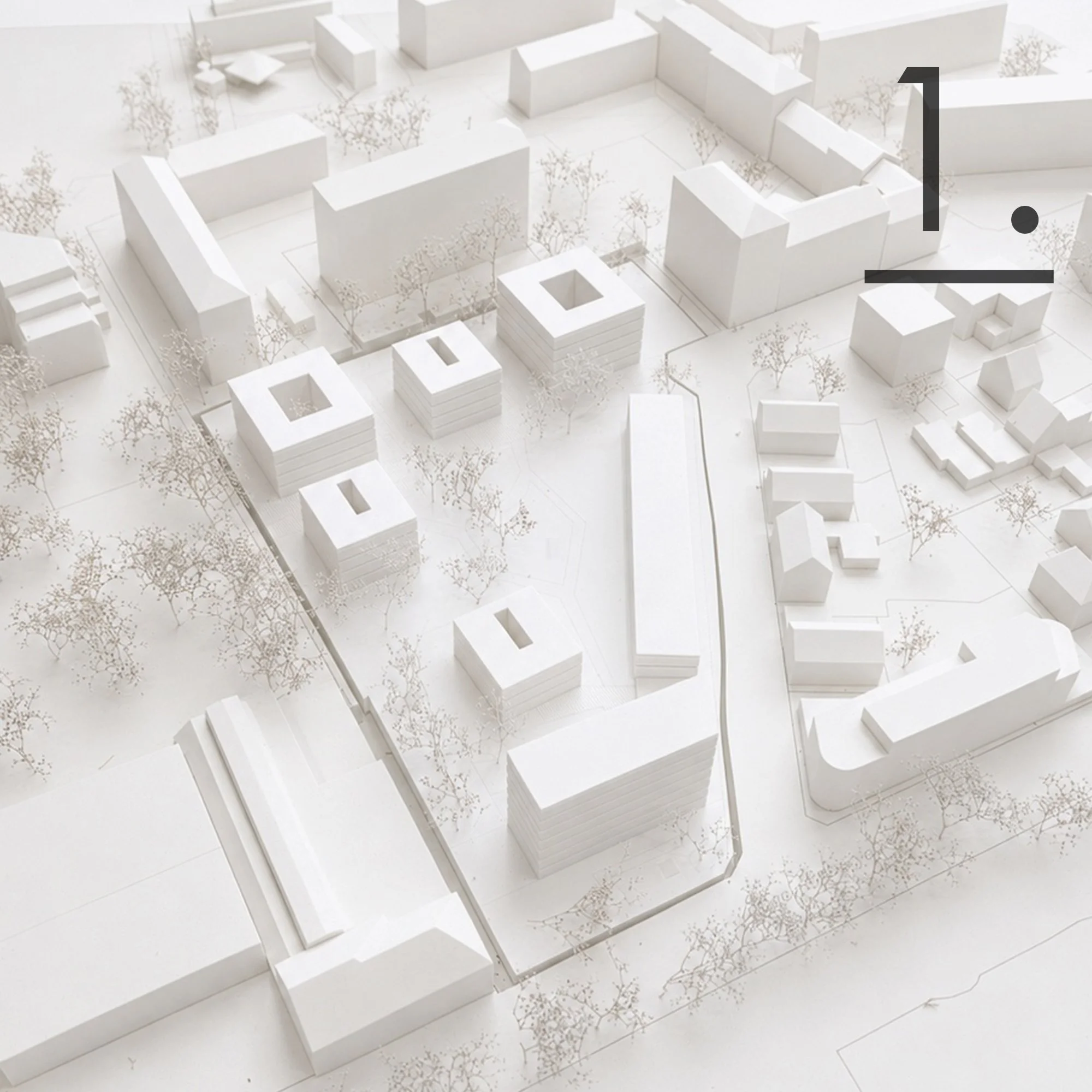
Pomisgasse / Draisgasse · Urban Planning · 1st Prize · 2025
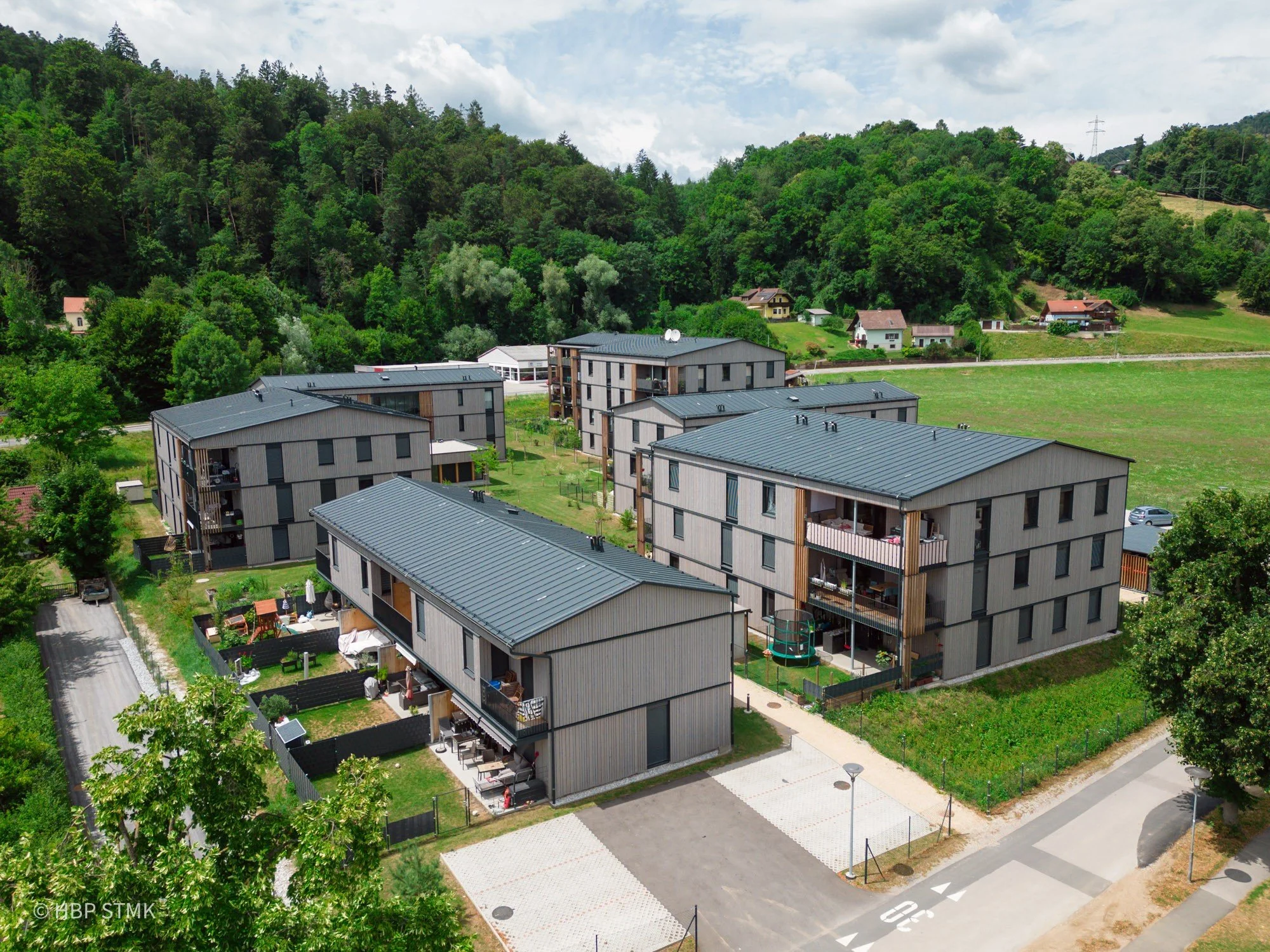
Österreichischer Staatspreis Holzbau 2026 · Nomination
Best of Austria 2024–2025 · Publication One for the office bookshelf.
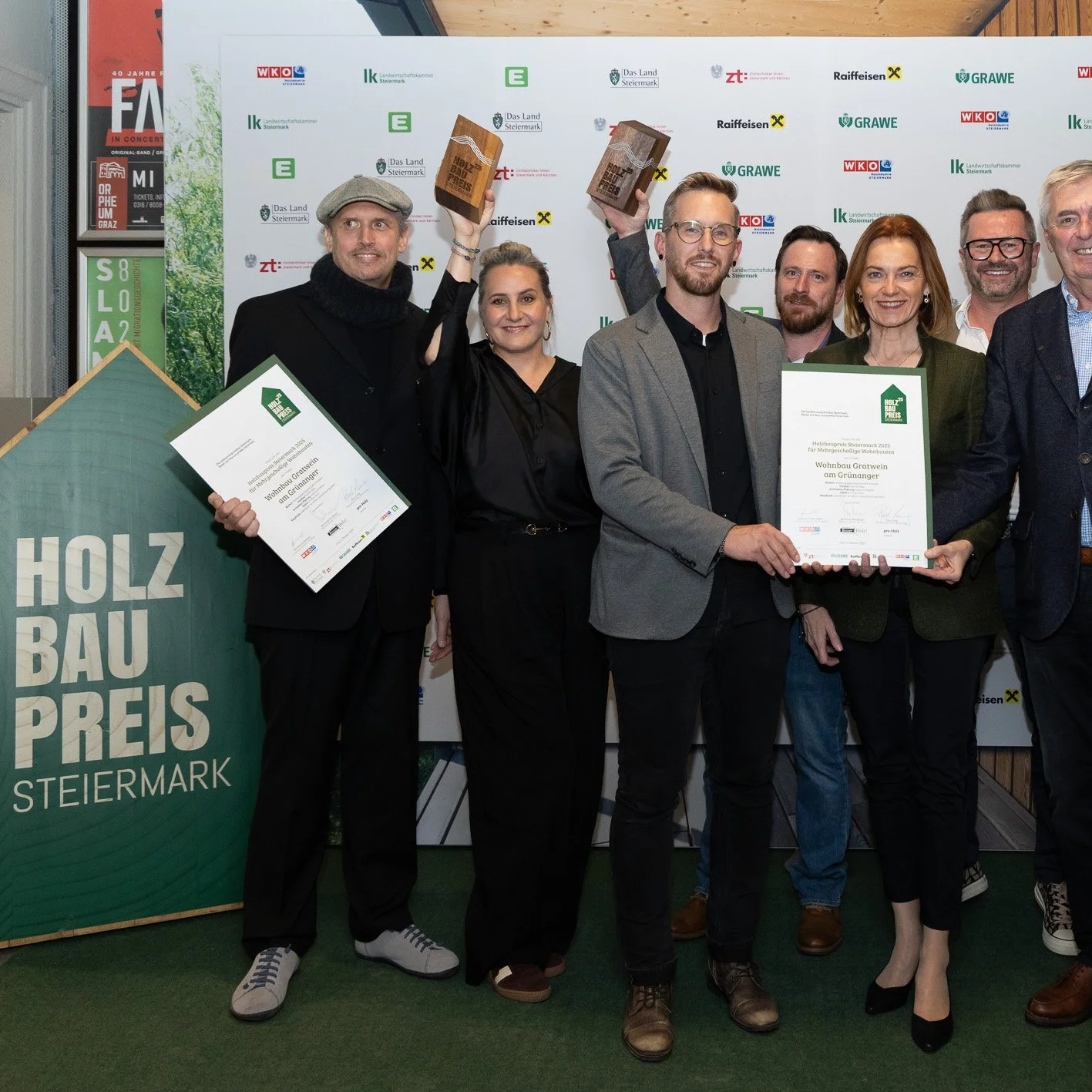
Holzbaupreis Steiermark 2025 · Multi-storey Housing Gratwein am Grünanger received the Styrian Timber Construction Award 2025 in the category Multi-storey Housing.
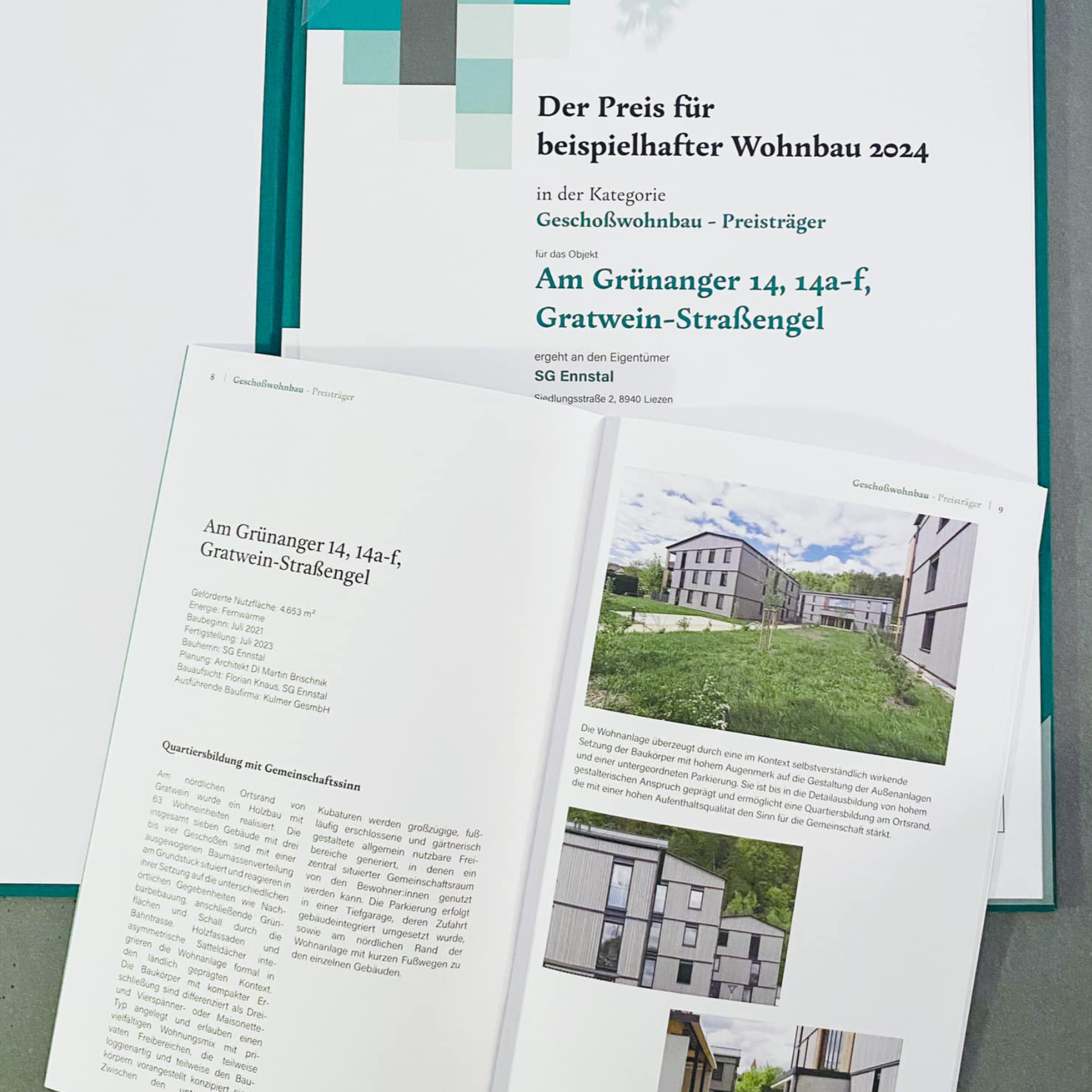
Auszeichnung beispielhafter Wohnbau 2024 · Multi-storey Housing The State of Styria recognised Gratwein am Grünanger as exemplary multi-storey housing.
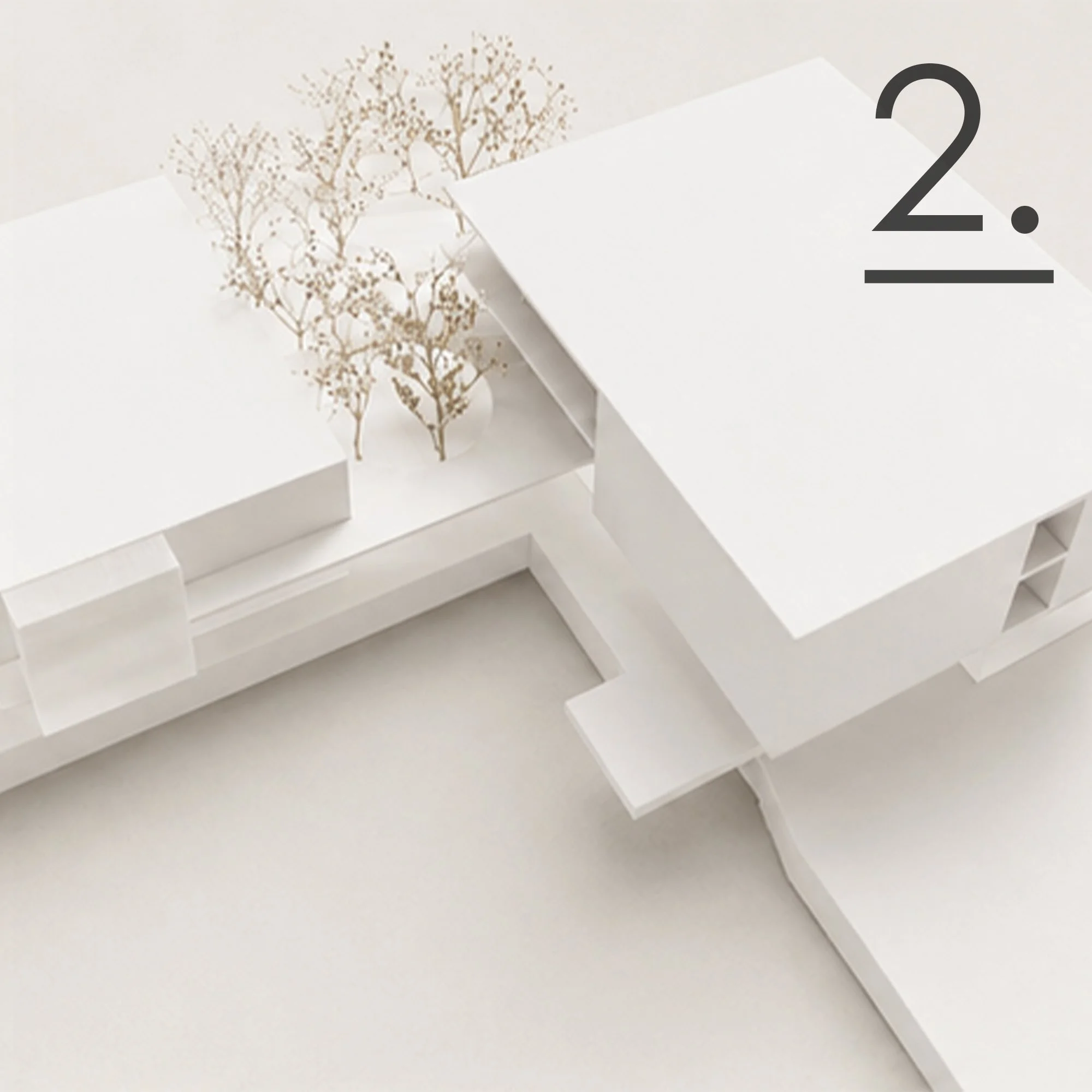
Big and small · Volksschule Hof bei Salzburg · Competition · 2nd Prize · 2024
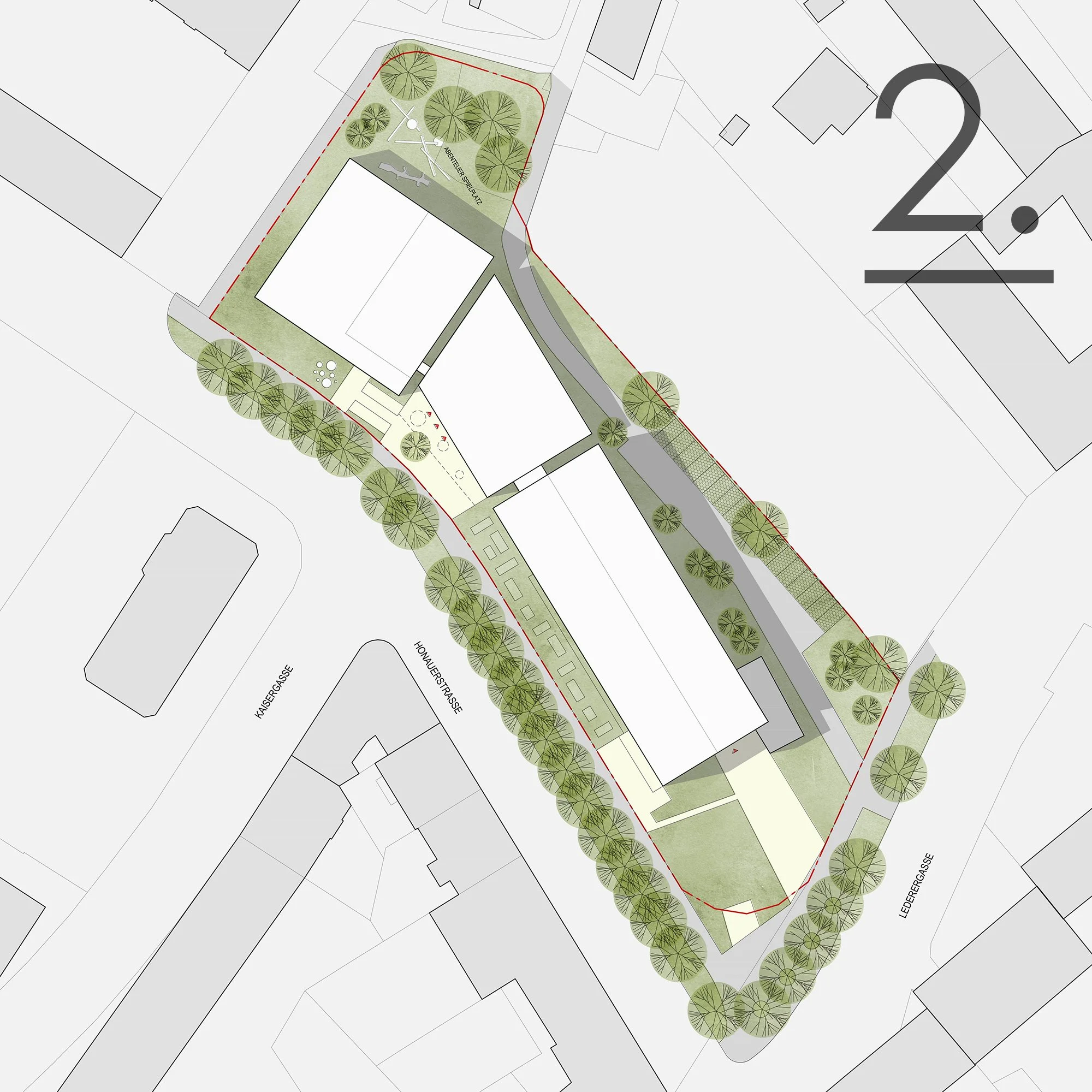
Europaschule Linz · Education · EU-wide Open Competition · 2nd Prize · 2021
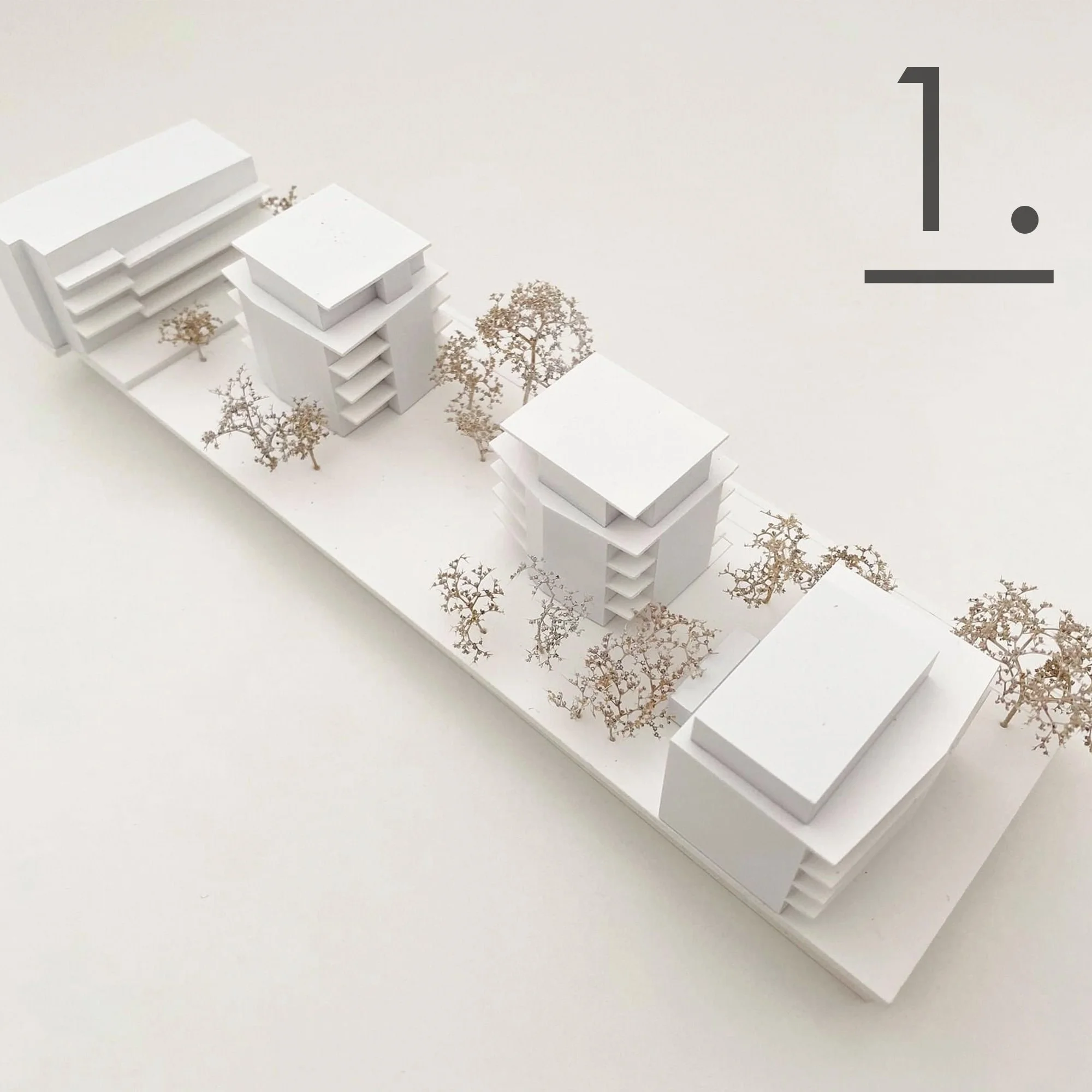
Bienengasse 19 · Housing · Competition · 1st Prize · 2020
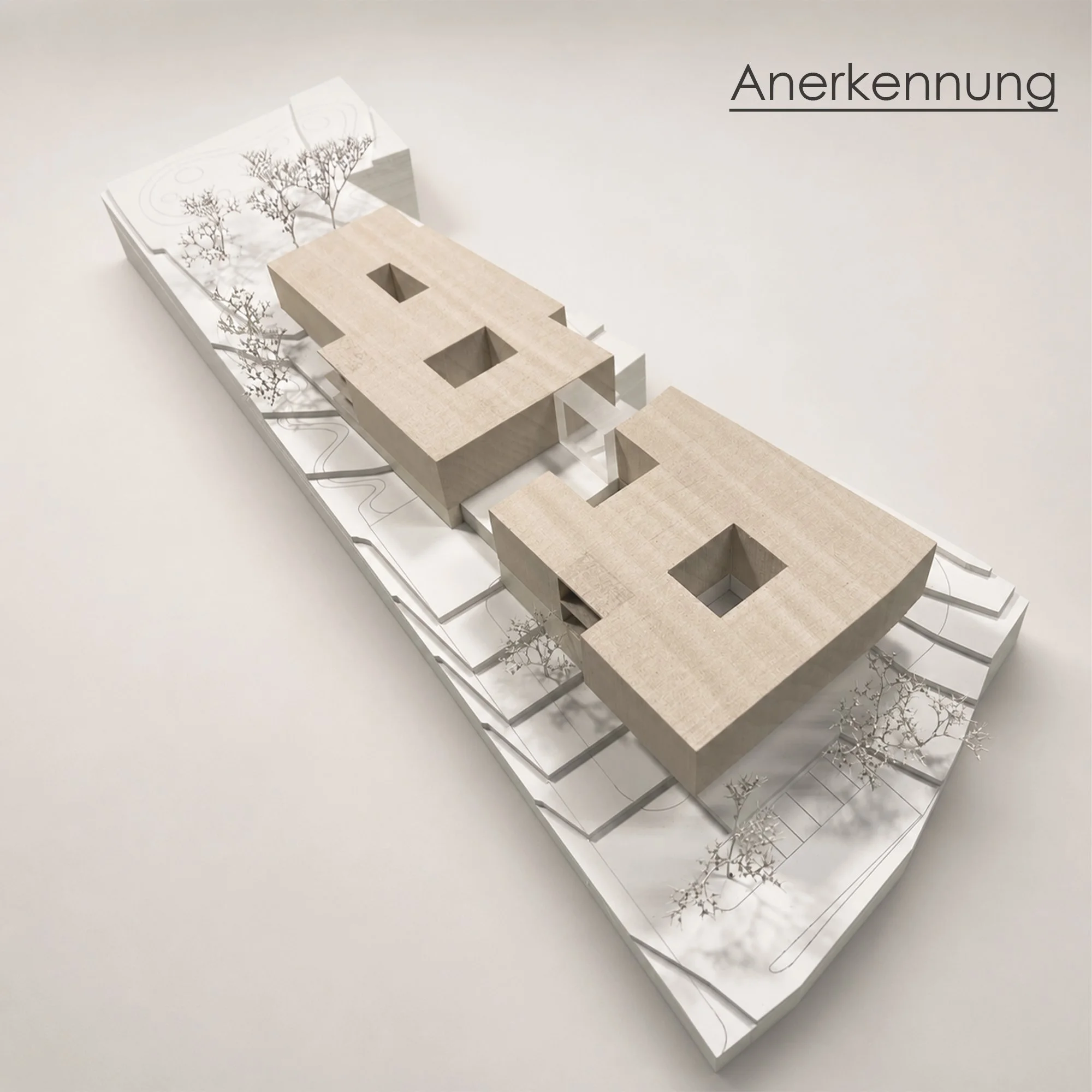
Saalfelden – Neubau Seniorenpflegeheim Healthcare · Saalfelden am Steinernen Meer, Austria · EU-wide Open Competition · Recognition · 2022
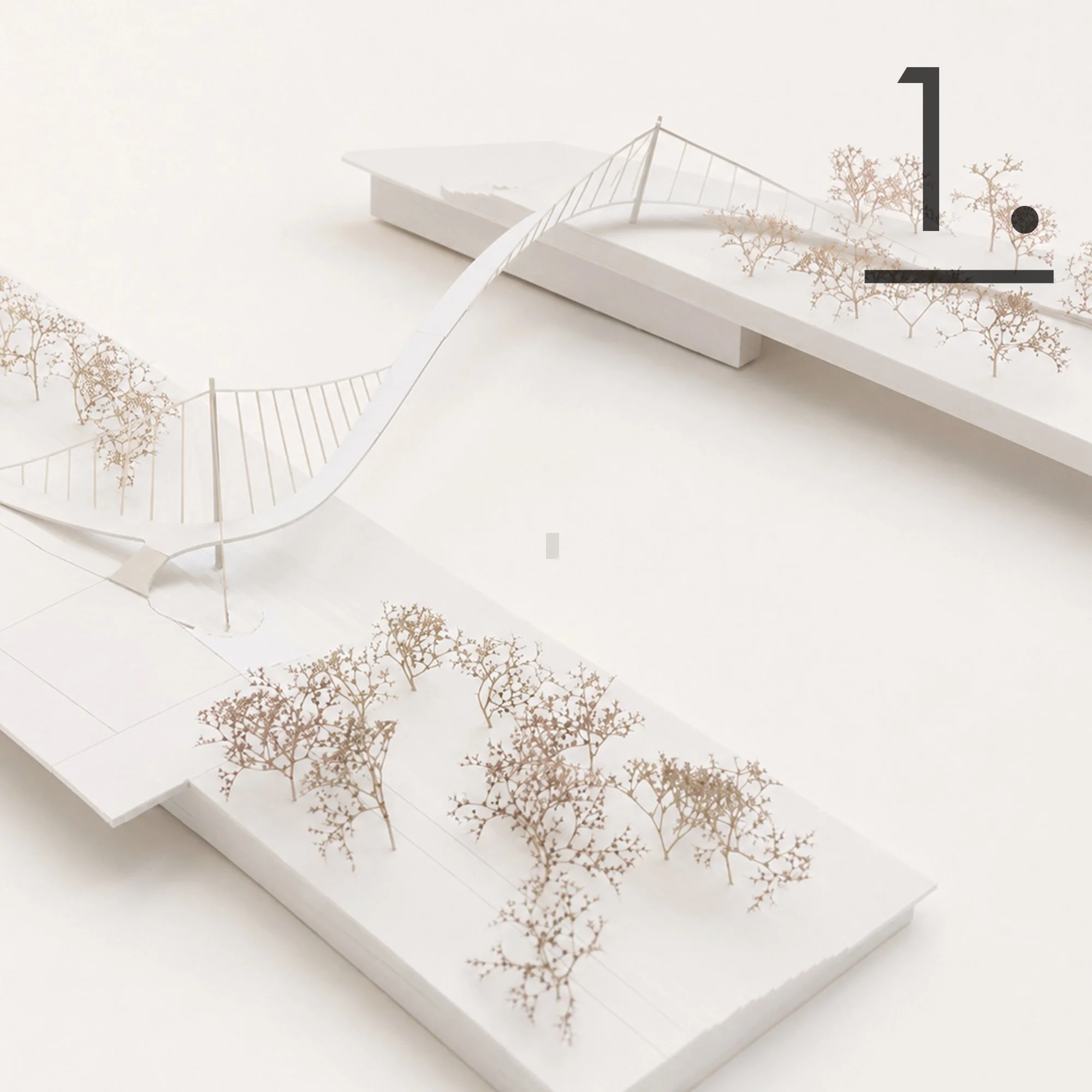
Holzgartensteg Regensburg · Infrastructure · Germany · Competition · 2nd Round · 1st Prize
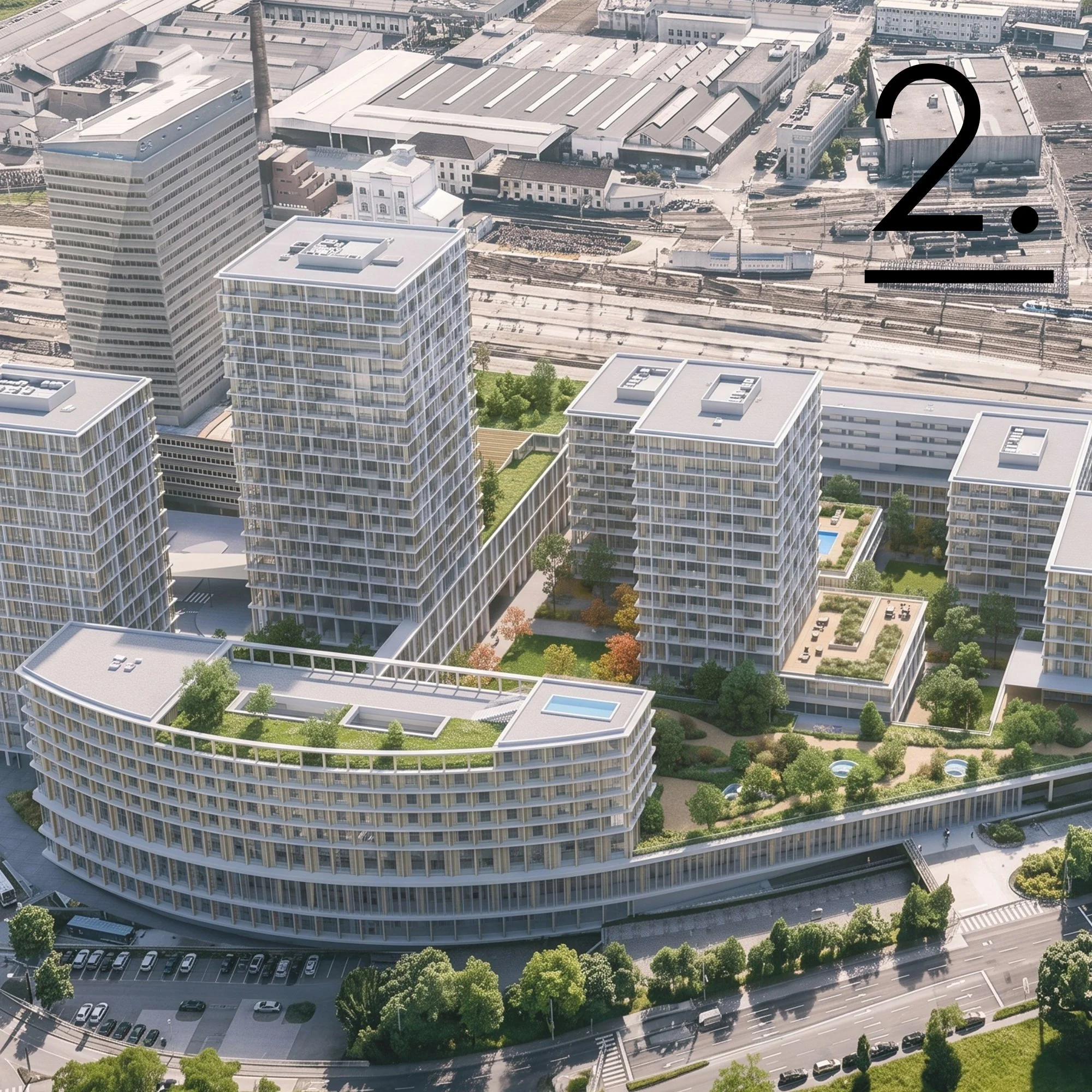
Second prize for Post City Linz Urban Planning · EU-wide Open Two-Stage Competition · 2nd Prize · 2019
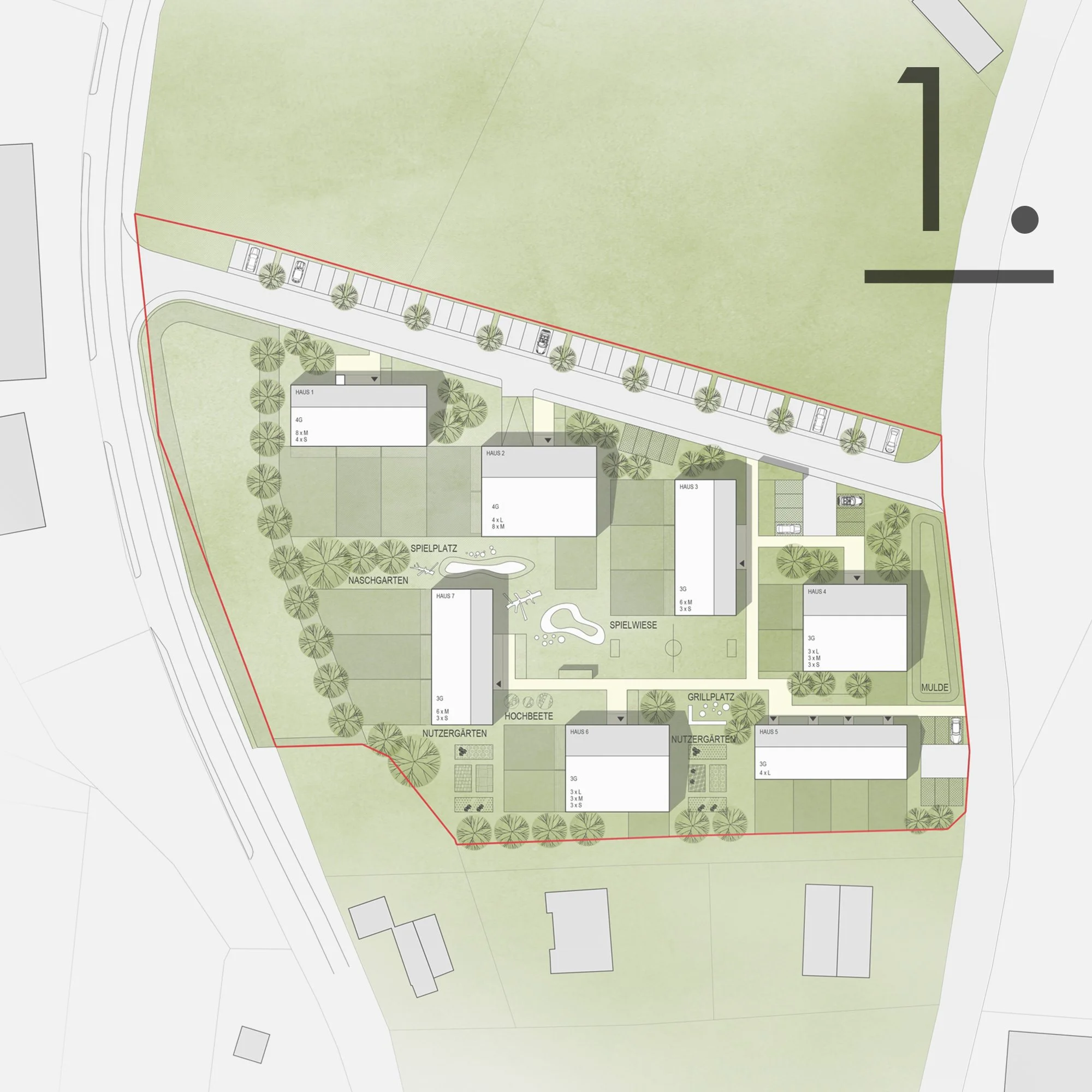
Wohnanlage Gratwein, am Grünanger Gratwein-Straßengel · 63 Apartments · Timber-Hybrid Construction · Competition 1st Prize ·
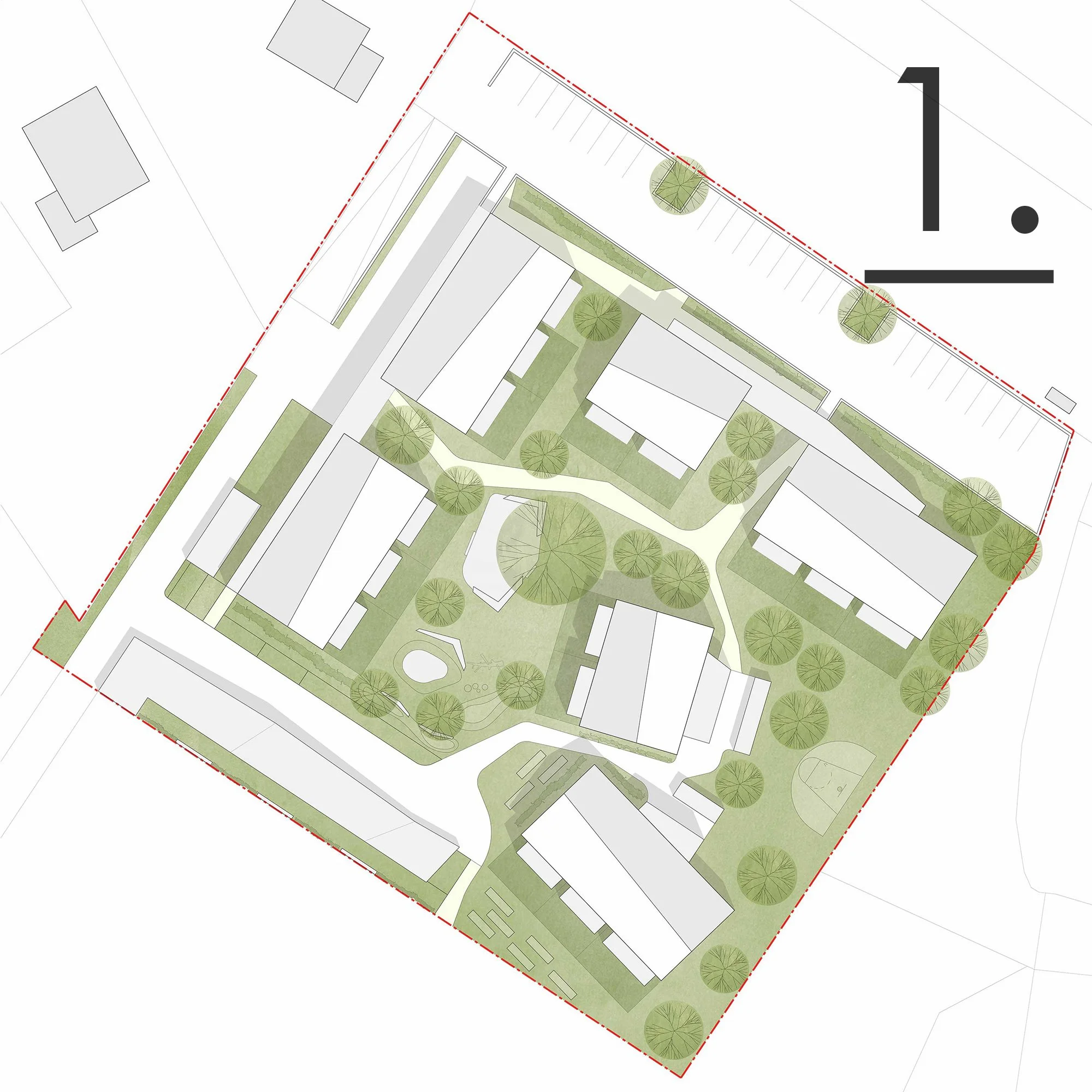
Wohnanlage Stainz · Housing · Stainz, Austria · Competition · 1st Prize
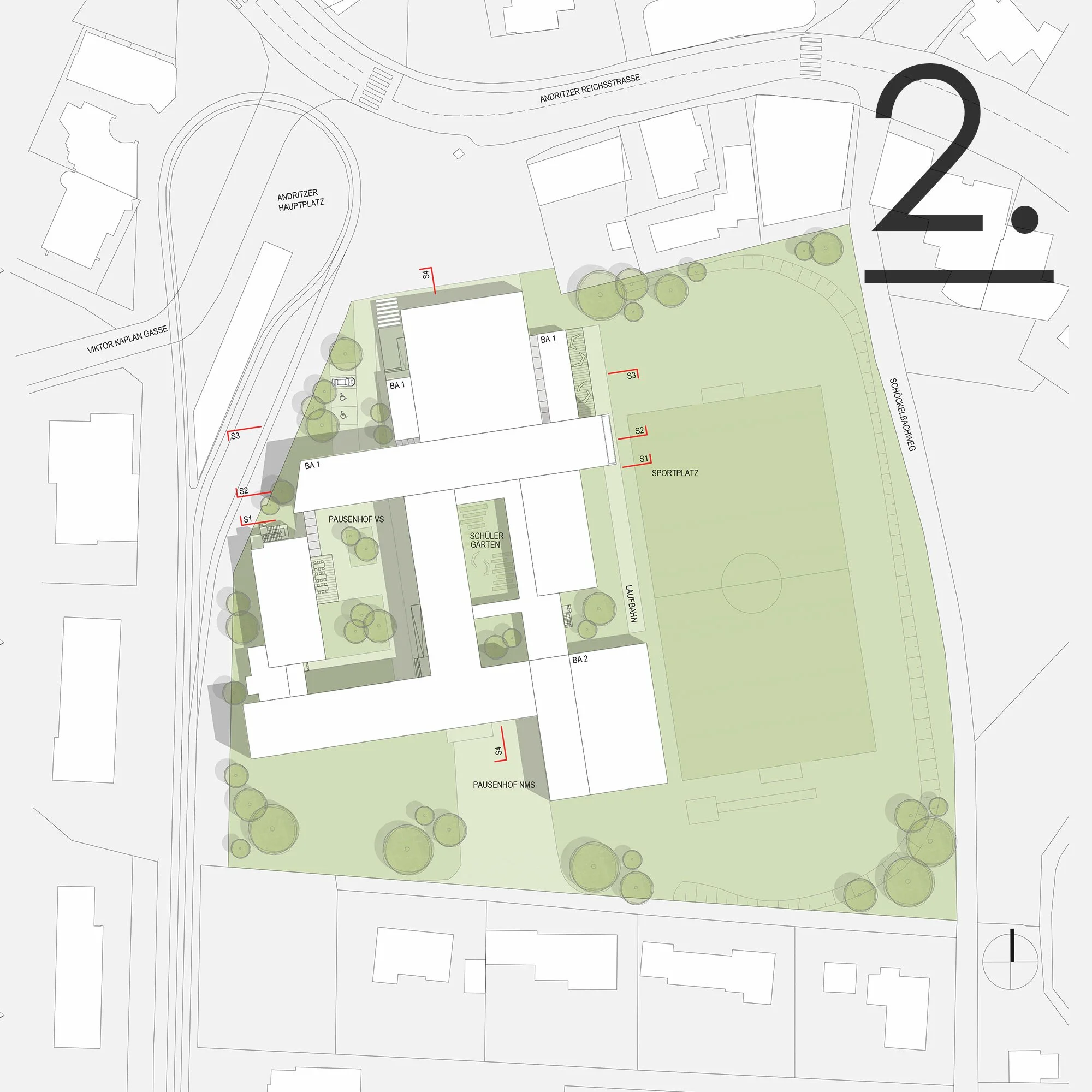
A detailed architectural plan of an urban outdoor area including streets, pathways, buildings, trees, and designated zones such as a sports field and school garden.
Contact
SUPERARCHITEKTUR
Martin Brischnik +43 676 591 7973
Ana Očić +43 699 1711 7252
AUSTRIA / Leonhardstrasse 30 / 8010 Graz
CROATIA / Horvaćanska c. 19 / 10000 Zagreb